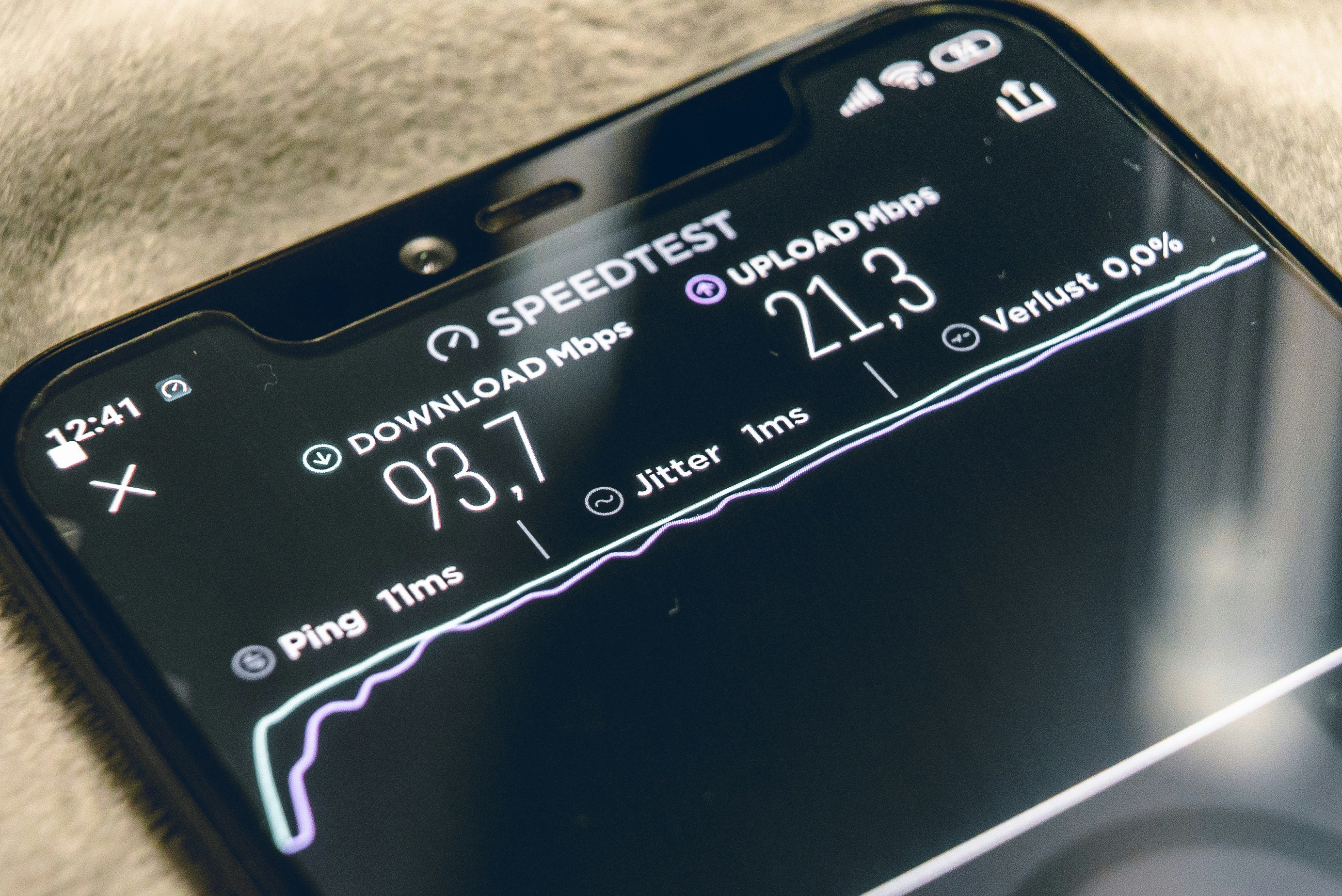
Mobile network downtime - periods where your mobile network is unavailable to connect you - appears to be on the rise. While this is bad news for anyone, it’s particularly problematic for the increasing number of people who rely on a 4G or 5G mobile broadband connection for their home WiFi.
Mobile network downtime in these cases means users are unable to work from home, make essential calls or simply scroll social media until the issue is restored.
Ofcom investigates Three and BT
Two networks are currently under investigation by the UK telecoms regulator Ofcom for their downtime in 2025.
Both Three, which recently merged with Vodafone to form the UK’s biggest network, and BT, which operates the mobile network EE, saw significant downtime issues this year.
In June, Three experienced a network issue that prevented customers from accessing the internet or making calls, including to emergency services. Then, in July, a similar but unrelated issue meant BT and EE’s mobile service was also down for a two-day period.
BT was already fined £17.5m in 2024 by the regulator for a ‘catastrophic failure’ of its call handling service.
Which mobile supplier has the most downtime?
While Three and BT are the suppliers under investigation, Ofcom’s annual mobile matters report shows that successful connection rates were down across the board in 2025 compared to 2024.
The supplier with the lowest connection success rate was actually O2, with a 5G connection success rate of 97.1% and a 4G success rate of 95%, down 1.1% and 2.1% from 2024, respectively.
This is particularly concerning because O2, VodafoneThree and EE (under the control of BT) are the UK’s three carrier networks. That means that any other mobile supplier still relies on these networks to provide a connection. Between them, these three companies manage the whole of the UK’s mobile infrastructure.
What causes mobile network downtime
There are a number of factors that can cause mobile network downtime, from unexpected user volume to extreme weather events. For example, at the start of the year, Storm Eowyn was responsible for internet outages across both mobile networks and traditional wired broadband, with the conventional infrastructure taking weeks to repair.
There is also the fact that our demands from the internet grow in complexity and volume year-on-year. Home broadband usage has increased more than 20 times in a decade, and tasks that would have seemed impossible even five years ago are now part of day-to-day web use.
As Brennen Smith, vice-president of technology at speed check service Ookla, which also manages outage tracking website down detector, puts it:
‘The internet is not exactly getting more stable.’
How multi-network mobile broadband keeps you online
With all three of the UK mobile carrier networks experiencing issues with mobile network downtime in 2025, how can you ensure your connection stays up and running when you need it most?
The solution is multi-network mobile broadband - a connection that can be used across any of the UK’s carrier networks and easily switched to another in the event of downtime.
Here at Connectivity, we know how important staying connected is. That’s why all our mobile broadband plans are multi-network as standard, letting you get online and stay online, no matter what happens.