The need to work from home might have declined since the height of the pandemic, but the demand is definitely still present. Both employers looking to reduce office costs and employees looking for increased flexibility have embraced both remote and hybrid working.
With this has come increased demand for fast and reliable home WiFi that can handle the demands of the office from the comfort of your living room. With many parts of the UK still poorly served by traditional broadband, even within major cities like London, mobile broadband provides a welcome alternative.
Can you work from home over mobile broadband? In short, yes. As mobile broadband technology has improved, 5G home internet has become an increasingly attractive option for remote work.
What connection speed do you need to work from home?
The home internet speed you need to work remotely depends on both what you’re doing and how many users are sharing the same connection.
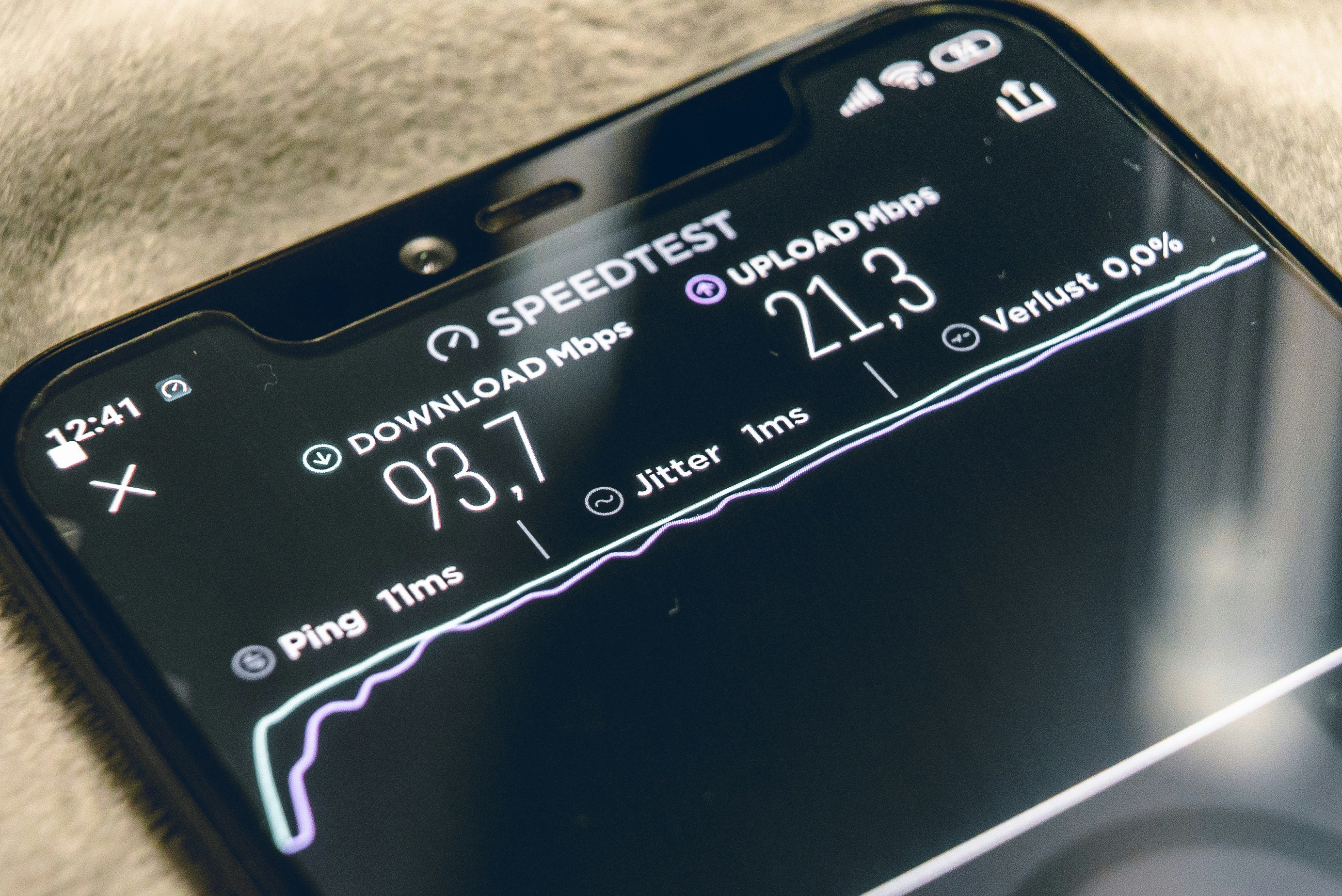
Different workloads require different internet speeds to operate effectively. If your day-to-day tasks primarily involve working on documents and responding to emails, a connection speed of 20-30 Mbps should be more than sufficient. For higher-demand tasks like video calling or working in remote environments, a higher speed will be required.
Speed test site Ookla recommends at least 10 Mbps for video calling alone, regardless of any other tasks. Overall, Ookla believes a speed of 100 Mbps is suitable for any online task, whether heavy-demand work from home or relaxing with an online game after you’ve logged out for the day.
With average 5G mobile speeds across the UK falling between 114 and 205 Mbps, 5G mobile broadband is not only suitable for working from home but can support multiple users working remotely on the same connection.
Working from home with a capped data allowance
One concern for users working remotely over mobile broadband is burning through a capped data allowance too quickly. The data demands of the modern internet have grown rapidly, with many traditional mobile broadband providers struggling to keep up.
Many plans are stifled by restrictive data caps, with hefty fees for users who exceed those limits. Even so-called unlimited data plans may not be, with speeds artificially throttled at peak times or limitations on what the connection can be used for.
If you plan to work from home over a mobile broadband connection, look for a truly unlimited plan with no data cap or speed limitations at busy times (which are usually the times you most need to be online!)
Is mobile broadband stable enough to work from home?
Another potential concern is the stability of mobile broadband as compared to traditional broadband. While it’s true that both wired and wireless internet options experience downtime, mobile broadband providers have earned an unfortunate reputation for network outages.
One way to combat this is multi-network broadband, which allows you to switch between mobile networks depending on which offers the best speed and stability when you need it.
Mobile broadband can even offer additional stability in the form of a hybrid home setup. For those who need a guarantee of both top speeds and constant network availability, setting up both traditional wired and 5G mobile broadband at home offers a best-of-both-worlds solution.
The advantages of mobile broadband for remote work
Mobile broadband also offers unique advantages for those looking to work from home. Mobile broadband is flexible - unlike traditional broadband, it is not tied to a single physical address. That means you can bring your high-speed, unlimited connection on the go, fulfilling the dream of remote work of being able to log in from anywhere and work effectively, wherever you are.
Mobile broadband also makes working from home possible for those without a high-speed wired broadband available. Whether it’s because the infrastructure in your area is outdated, or because your home moves around with you, 5G broadband makes working from home an option for many who had given up on the idea entirely.