The future of mobile broadband is here… almost. As the technology grows more quickly and becomes widely available, 6G myths and misinformation are becoming more prevalent.
We’ve broken down some of the most common 6G myths we’ve seen passed around to help you separate the fact from the fiction. Here are the most popular 6G myths… and what you can actually expect:
Myth 1: 6G will immediately replace 5G
Reality: 5G is not going anywhere soon. Just as 4G and 5G mobile broadband have coexisted for years (and continue to do so), the launch of 6G will not mean 5G signals disappear overnight. Eventually, we may see 5G technology phased out (as we have with 2G and 3G signals), but that will only be when the alternative is widely available and affordable.
Myth 2: 6G will only be available on one network
Reality: One single network provider will not control 6G networks in the UK. Instead, every provider will launch their own 6G network as and when the technology becomes available. EE might have been the first provider to offer a 5G network in the UK, but competing suppliers quickly followed suit.
Myth 3: 6G won’t be much faster than 5G
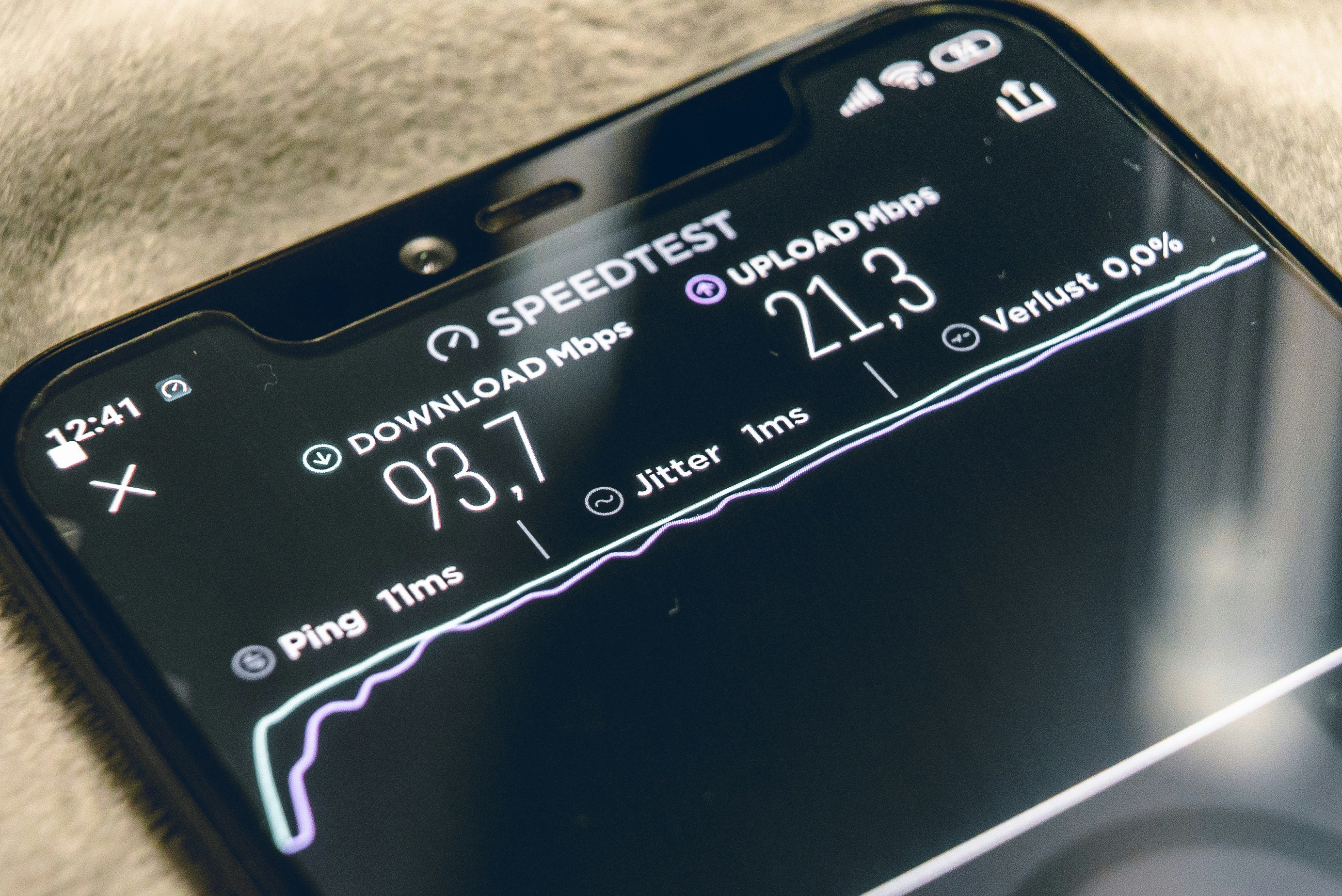
Reality: 6G is predicted to be much, much faster than 5G, both in lab conditions and for daily use. Experimental 6G networks have achieved speeds of 938 Gbps, fast enough to download an 8K movie in a fraction of a second. While speeds for end users will be slower, experts are predicting consumer speeds of 50+ Gbps, around 50 times faster than current 5G speeds.
Myth 4: 6G won’t be available for another 10+ years
Reality: The world’s first 6G satellite was actually launched 2 years ago, and since then, the development of 6G technology has only ramped up. Current projections are that 6G mobile networks will be available to consumers by 2030, m- just four years from now.
Myth 5: 6G will only be rolled out in big cities
Reality: It’s likely that major cities will be the first to see a 6G rollout, as network providers take advantage of population density to offer access to the most people as quickly as possible. However, as we’ve seen with 5G, starting in major cities is only the first step towards wider coverage. Today, more than 97% of the UK’s population has access to 5G, with 83% of users connecting to a 5GSA network.
Myth 6: 6G will need a huge volume of dedicated frequencies
Reality: One concern about 6G is that it will need huge bands of broadcast frequency dedicated to it exclusively. In fact, one of the big advantages of 6G is that it focuses on maximising under-utilised broadcast frequencies currently to provide information-dense signals.
Myth 7: 6G will be controlled by AI
Reality: This 6G myth is more grounded in sci-fi than science fact. We can expect mobile broadband companies to use AI in the rollout and management of 6G networks, just like O2 is currently doing with its 5G network. AI will allow providers to quickly spot areas where the signal has failed, and even predict outages before they happen, reducing network downtime. However, that doesn’t mean 6G networks will be controlled by AI - or that AI will use 6G to control us.